Skip to content
Discover Keffiyeh & Shemagh: Cultural Heritage & Stylish Fashion Scarves
- by mahidur seo
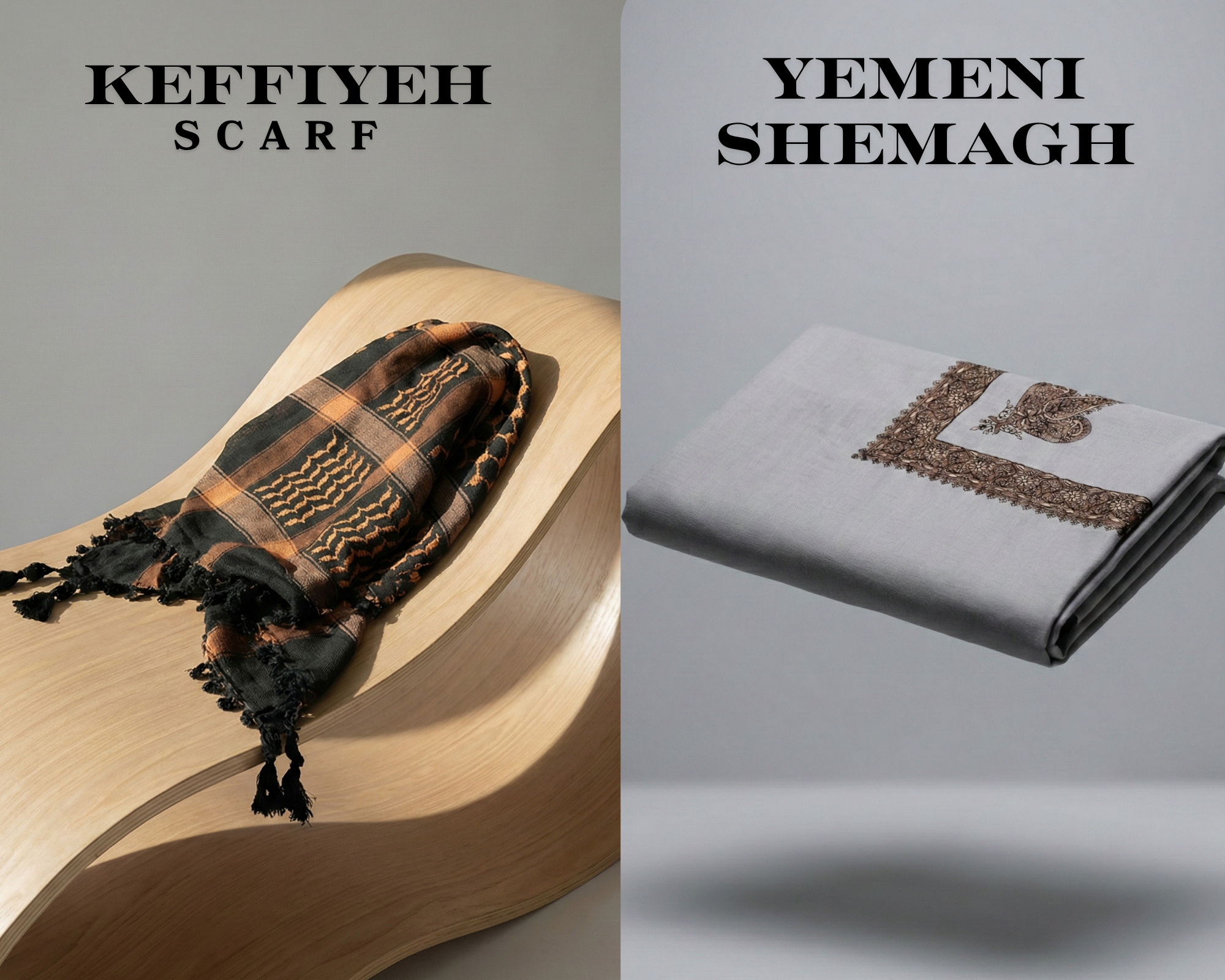
Keffiyeh and Shemagh: A Deep Dive into Cultural Significance, Styling and Modern-Day Wear
The keffiyeh and shemagh are more than just headwear—they represent a rich cultural history and have become symbolic of identity, heritage, and tradition in the Middle East and beyond. Known for their distinctive patterns and versatile functionality, these traditional scarves have transcended regional boundaries, becoming an iconic accessory worn worldwide. Whether it’s to protect against the elements, express cultural pride, or make a fashion statement, the keffiyeh and shemagh have evolved into a timeless piece of Islamic clothing. At Furqanwear, we honor this tradition by offering premium, authentic versions of these scarves, crafted with care and respect for their cultural significance.
Origins and History of the Keffiyeh and Shemagh
Both the keffiyeh and shemagh have long-standing cultural histories in the Middle East, dating back thousands of years. They were originally meant to function as clothing for very practical purposes and worn by nomads, who needed such protection from the intense desert climates, to keep the sun off their skin, prevent them from inhaling dust, and stay warm during the colder nights.
The keffiyeh or ghutra, in some places, has origins in the ancient agriculture of the Arabian Peninsula in Palestine. It became integrated into the everyday wear of Arab men, especially those living and working in rural, desert and other harsh climates as well.
The shemagh, another garment, is most identified with Gulf-area states such as Saudi Arabia, Kuwait and Qatar. The shemagh vs. keffiyeh are primarily regional differences, but they share the same purpose. Shemagh tends to be bigger and is worn with a slightly looser wrap, providing more coverage for the head and neck.
As this clothing caught on, it spread throughout the Middle East and the greater Arab world, with each region developing its adaptations in fabric, size and shape. Today, both the keffiyeh and shemagh are more than just practical garments; they've become symbols of culture, ancestry, resilience and pride.
Cultural and Religious Significance
The keffiyeh and shemagh are culturally attached to the Middle Eastern culture, identity, and spiritual beliefs. For generations, these clothes have been more than purely practical items of clothing — they are invested with a sense of history and community.
The Palestinian keffiyeh has become a symbol of resistance and solidarity throughout the world. It is worn by Palestinian men and has come to symbolize the Palestinian struggle for independence and cultural revival. Today, the black-and-white checkered pattern has become an international symbol of Palestinian identity.
For a lot of Muslims, the keffiyeh and shemagh are also used during important religious events such as the Eid and Ramadan prayers. The clothes not only shield wearers from the weather but also embody a sense of humility and modesty that corresponds with Islamic values around dressing modestly.
Both items of clothing, more broadly culturally, are key symbols of family and heritage , as they have been worn by men in the Middle East for generations. The keffiyeh and shemagh are, as such, bound with the identities of their wearers, linking their contemporary self to their historical and cultural one.
Keffiyeh vs Shemagh – What’s the Difference?
While the keffiyeh and shemagh may appear similar, there are subtle differences between the two that are important to understand. Both garments are typically square-shaped scarves, but their size, texture, and wearing style can differ depending on the region.

Keffiyeh:
-
Origins: Derived from Palestine and the Levant.
-
Size: Like a square, usually 40 to 48 inches in width and length.
-
Fabric: Cotton with some silk blends.
-
Pattern: The classic keffiyeh has a checkered pattern (black and white or red and white).
-
Usage: The keffiyeh is usually folded in half and worn like a triangular wrap, around the head, or just draped on the shoulders. It’s also occasionally knotted beneath the chin or wrapped around the neck.
Shemagh:
-
Origins: Commonly worn in the Gulf States (Saudi Arabia, Kuwait, Qatar).
-
Size: A Shemagh is larger than a keffiyeh, so it can cover more of the head and shoulders.
-
Fabric: Both the keffiyeh and shemagh are generally made of cotton, but a wool version, which does offer added warmth for colder weather, is also available.
-
Pattern: The shemagh normally has a larger, thicker checkered pattern compared to the keffiyeh (you may find it in colors like red/white or black/white and minimal solid designs).
-
Usage: The shemagh is often worn draped loosely over the head and shoulders, and in some cases, tied in a specific way to protect against sandstorms or extreme sun.
In reality, the fundamental difference is regional difference and size only – these two clothing articles are worn for similar cultural and functional reasons.
Keffiyeh vs. Shemagh: A Detailed Comparison
|
|
|
|
|
Origins |
Primarily from the Levant (e.g., Palestine, Jordan) |
Commonly worn in the Gulf States (e.g., Saudi Arabia, Kuwait) |
|
Size |
Smaller, typically 40–48 inches square |
Larger, usually 50–60 inches square |
|
Fabric |
Typically made from cotton or silk blends |
Mostly cotton, sometimes wool blends for warmth |
|
Pattern |
Often black and white or red and white checkered |
Larger checkered patterns, with more color variations (red, white, black) |
|
Cultural Significance |
Symbol of Palestinian identity and resistance |
Worn widely in the Gulf, symbolizing tradition and practicality |
|
Use in Fashion |
Worn as both a practical garment and a fashion statement |
Primarily used for protection and practical wear, but also fashionable |
|
Commonly Worn With |
Thobes, casual outfits, traditional wear |
Thobes, formal attire, traditional Middle Eastern outfits |
|
Protection |
Provides protection from the sun, dust and wind |
Provides protection from sun, wind, and sandstorms |
|
Modern Usage |
Worn both for cultural and fashion reasons |
Commonly worn in traditional settings but also as a fashion accessory |
How Keffiyeh and Shemagh Are Worn Today
Well, today the keffiyeh and shemagh are still worn by men in the Middle East & North Africa and have also become popular elsewhere. They’re still protecting against the elements – but also modesty, not to mention a little sense of style. Over the years, these scarves have also become part of wardrobes for people who are not Middle Eastern and are either used for fashion or as a cultural emblem.
Everyday Wear:
In real time, the keffiyeh and shemagh are regularly worn as fashion accessories to accompany a variety of traditional and professional clothes. Thobes and Jubbas are worn by many men over them, or just the hat can be used with more casual clothing. The keffiyeh is a lighter weight, which is great for warm weather and the shemagh is thicker and better for cooler weather.
Religious and Ceremonial Wear:
Both are still regularly worn during Islamic prayers (such as the Jumu’ah) and on occasions like marriage and Eid. They bring a sense of heritage and identity to religious worship and also serve as a shield during long hours of ritual.
Fashion and Cultural Symbolism:
More recently, the keffiyeh and shemagh have made it to the influences of style around the world. Bold in patterns and rich in symbolic value, they have become iconic accessories that are worn to signal solidarity ― with many donning head wraps to make statements about solidarity, heritage and style.
Styling Keffiyeh and Shemagh for Modern Men
While the keffiyeh and shemagh have deep cultural roots, they are also incredibly versatile fashion accessories that can elevate a modern man’s wardrobe. Here are a few ideas on how to style them today:
For Casual Wear:
-
Around the Neck: Fold the keffiyeh or shemagh into a triangle and drape it over your shoulders, or tie it loosely around your neck to add an effortless yet stylish flair to your outfit.
-
Over the Shoulders: Use the keffiyeh or shemagh as a statement scarf over your jacket, T-shirt, or even denim.
For Formal Occasions:
-
Pair your shemagh or keffiyeh with a thobe for an added layer of elegance and tradition, especially for special events like Eid or weddings.
-
The shemagh can be styled under a blazer, while the keffiyeh is great when worn with a traditional Middle Eastern outfit for a formal setting.
Furqanwear’s Commitment to Authentic Scarves
At Furqanwear, we are dedicated to providing premium-quality keffiyeh and shemagh scarves that are authentic, durable, and stylish. We carefully source the finest cotton and silk blends to create scarves that are soft to the touch, comfortable to wear, and built to last. Whether you’re looking for a Palestinian keffiyeh or a Gulf-style shemagh, we ensure that our products meet the highest standards of craftsmanship and cultural accuracy.
Shop Furqanwear’s Keffiyeh and Shemagh Collection today and experience the perfect blend of tradition, luxury, and comfort.
Frequently Asked Questions about Keffiyeh and Shemagh
Q1: What is the difference between a keffiyeh and a shemagh?
The keffiyeh is typically worn in the Levantine regions, while the shemagh is more common in the Gulf States. The main difference is in size and fabric, with the shemagh being larger and more suited for colder climates.
Q2: How do I wear a keffiyeh or shemagh?
The keffiyeh and shemagh can be worn in various ways, including as a head wrap, around the neck, or draped over the shoulders. Both can be styled for modesty, protection from the sun, or as a fashion statement.
Q3: Is the keffiyeh a symbol of Palestinian resistance?
Yes, the Palestinian keffiyeh is a symbol of solidarity and resistance. It became widely associated with Palestinian identity and the struggle for independence.
Q4: Can I wear a keffiyeh or shemagh casually?
Yes, both the keffiyeh and shemagh have become popular as fashion accessories and can be worn casually with modern outfits like jackets, shirts, and even denim.
Conclusion: Celebrating Heritage with Furqanwear’s Keffiyeh and Shemagh
The keffiyeh and shemagh are more than just scarves—they are a living testament to cultural heritage, modesty, and practicality. At Furqanwear, we honor these timeless pieces of Middle Eastern headwear by providing authentic, high-quality versions that celebrate both tradition and modern style. Whether worn for religious occasions, cultural pride, or as part of your daily wardrobe, the keffiyeh and shemagh are pieces that carry deep cultural significance and continue to be an important part of the global fashion conversation.
Explore our Keffiyeh and Shemagh Collection today and carry a piece of tradition wherever you go.