 Skip to content

How to Choose a Yemeni Shemagh: Colour, Border, Fabric & Size
- by Mahidur Rehman
- 1 comment
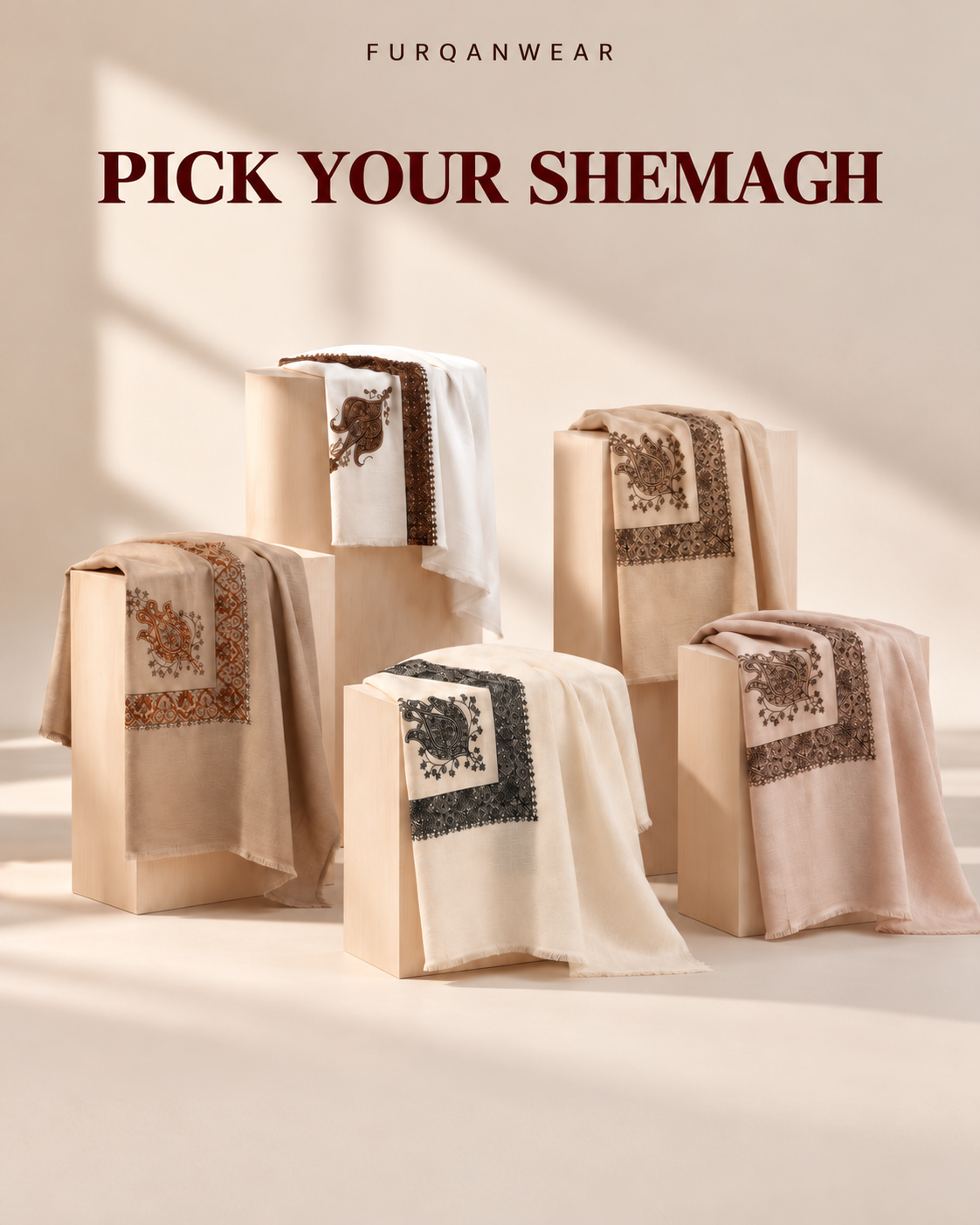
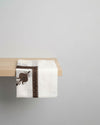
A Yemeni shemagh, also called a Yemeni scarf or Yemeni keffiyeh, is a square men's headscarf with a plain ground and an embroidered border. Choosing one comes down to five decisions: the ground colour, the border colour, the thobe you will wear it with, the fabric and the size. This guide takes them one at a time, with a pick from our Yemeni shemagh collection at each step. New to the style? Start with what a Yemeni shemagh is.
Quick answer: pick the ground colour first, because it is what people notice from across the room. Then choose a border that suits your thobe: dark borders (black, charcoal, navy) look formal, while brown and rust feel warm and relaxed. Go for cotton if you want a scarf that breathes through long prayers, and a 52" × 52" square for head, shoulder and neck styles.
1. Start With the Ground Colour
The ground is the large plain area of the scarf, and it sets the mood of the whole outfit.
-
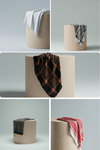
White and cream look bright and clean, the natural choice for Eid salah, a nikah or a walima. Try the White & Brown or the Cream & Black.
-
Beige and sand are the everyday grounds. They hide light wear and sit well with almost any thobe. See the Beige & Chocolate and the Beige & Charcoal.
-
Grey, which some people call silver, is cool and calm, good for office days and winter coats. Compare the Grey & Navy with the Grey & Brown.
- Taupe is a soft grey-brown that leans earthy. The Taupe & Rust pairs it with copper-toned embroidery.
2. Choose the Border Colour
The border and the corner medallion carry the pattern, so they decide how dressy the shemagh feels. A simple rule: the darker the border, the more formal the look.
-
Black and charcoal give the sharpest contrast. Wear them when you want the shemagh to stand out, at Eid or a wedding.
-
Navy looks smart but softer than black, and it is the natural match for a navy thobe.
-
Brown and chocolate are warm and easy, the border many men wear week to week. The Cream & Brown adds gold-tone thread to a floral border.
-
Rust is a warm, earthy colour that stands out without looking loud.
Because every border is stitched in thread, the exact shade can differ a little from one shemagh to the next. That is normal for embroidery, not a fault.
3. Match It to Your Thobe
Let the border either echo your thobe or balance it:
-
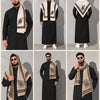
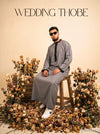
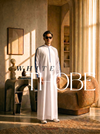
White thobe: Cream & Black or Cream & Navy. A dark border gives white a formal finish.
-
Black or charcoal thobe: Cream & Brown. A light ground with a warm border stands out against dark cloth.
-
Navy thobe: Cream & Navy or Grey & Navy. The border repeats the colour of the thobe.
-
Grey thobe: Beige & Charcoal. The charcoal links to the grey, and the beige adds warmth.
- Beige, sand or khaki thobe or djellaba: Beige & Chocolate. Tone-on-tone, with a darker border to give it shape.
For more combinations, read which Yemeni shemagh goes with your thobe.
4. Cotton or Polyester?
Most of our Yemeni shemaghs are cotton. Cotton breathes, absorbs sweat and gets softer with washing, which makes it the better choice for long prayers, Taraweeh and warm weather. A thinner cotton drapes softly over the head, while a denser weave holds a crisper fold on the shoulders.
The Cream & Navy is soft polyester. It keeps its square shape, dries quickly and needs little care, so it suits travel and busy weeks. Every product page lists the fabric under Materials, so you always know which one you are getting.
Whatever the fabric, the border should be embroidered, not printed. Our guide to the Yemeni shemagh shows how to tell the difference.
5. Get the Size Right
The standard Yemeni shemagh is a 52" × 52" square, and every one we sell is that size. Folded corner to corner, the long edge measures about 73 inches, enough to go over the head and tie at the back with ends to spare. Opened out, it covers both shoulders for a formal drape. If a listing does not give the size, ask before you buy, because a short scarf cannot make a full head wrap. Once you have one, here are six ways to wear a Yemeni shemagh.
6. Choose for the Occasion
-
Eid and nikah: a white or cream ground with a dark border, worn over the head or draped across both shoulders.
-
Jummah and everyday: beige or grey with a brown or charcoal border. Easy to wear and forgiving.
-
Winter: any colour as a neck wrap under a coat. Grey and taupe look natural with dark outerwear.
- A gift: if you don't know his thobes, beige with a dark border is a safe bet, because it goes with almost everything.
7. Look After It
Wash it by hand in cool water, or on a cold, gentle cycle inside a mesh bag. Skip the dryer: lay it flat or hang it, then iron on a low to medium setting from the reverse side so the embroidery stays raised.
Yemeni Shemagh or Keffiyeh?
Both are square headscarves worn the same three ways. The difference is the pattern: a keffiyeh repeats a woven check over the entire cloth, while a Yemeni shemagh keeps the ground plain and puts the embroidery on the border and corner. If you are deciding between them, read our keffiyeh vs shemagh guide.
Ready to Choose?
Start with the ground colour you will wear most, pick a border for your thobe, and choose cotton unless you want the easy care of polyester. Every Yemeni shemagh we stock is 52" × 52", leaves Toronto within 1–2 business days, and ships free on orders over $80 to the USA and Canada.

























AssalaamAlaykumWaRahmantullahWaBarakatullah,Just texted 💬 U concerning Ur Shemagh prices and associate colors I forgot ask about men’s traditional Winter Faraw Bisht Maroon and Green sizes five-xxx-large and six-xxx-large with matching fur lining Do U sell such colors I’ve the remaining attires colors I already brought black,blue,olive,brown,beige,gray,tang,and rust What’s Ur Price or can U recommend me who sell such Maroon and Green Men’s Faraw? Been searching everywhere*…